Corporate Mental Health

Three professionally-dressed women pose against a white backdrop representing facts about women’s mental health.

7 Startling Truths About Women’s Mental Health (And Why They Matter in 2025)

We know women still aren’t paid equally for the same work as men. We also know the valid concerns of female professionals are often dismissed as “being overly emotional.” But do we really have all the facts about women’s mental health, especially in the workplace? The truth is, the situation is far more complex and […]

7 Startling Truths About Women’s Mental Health (And Why They Matter in 2025) Read More »

A computer is seen with a christmas tree in the background, respresenting holiday stress at work.

Holiday Stress at Work: 5 Simple Strategies to Support Your Team This Season

The holidays aren’t always as joyful as they seem—this time of year can bring serious stress for employees trying to balance work, family, and personal responsibilities. From financial worries to emotional ups and downs, the season can take a toll on mental health. Great leaders understand these challenges and know how important it is to

Holiday Stress at Work: 5 Simple Strategies to Support Your Team This Season Read More »

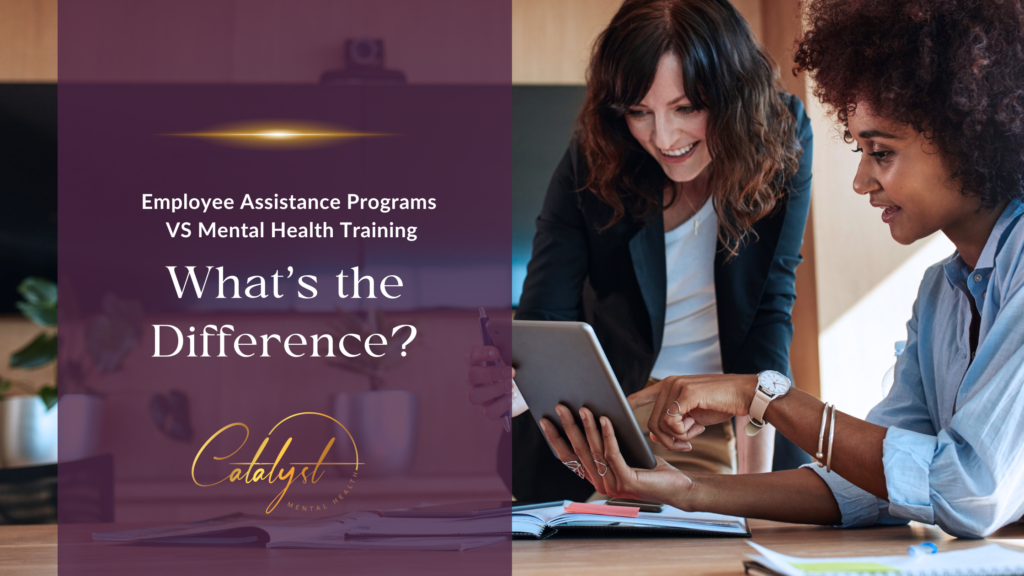
Two female employees review mental health training vs benefits coverage options using an ipad.

Employee Assistance Programs Vs Mental Health Training: What’s the Difference?

You have an Employee Assistance Program (EAP) in place for your team. You view employee wellness as a top priority, and you feel you’ve taken the necessary steps by providing access to these services. So when the topic of investing in corporate mental health training arises, it seems a bit excessive. The existing resources already

Employee Assistance Programs Vs Mental Health Training: What’s the Difference? Read More »

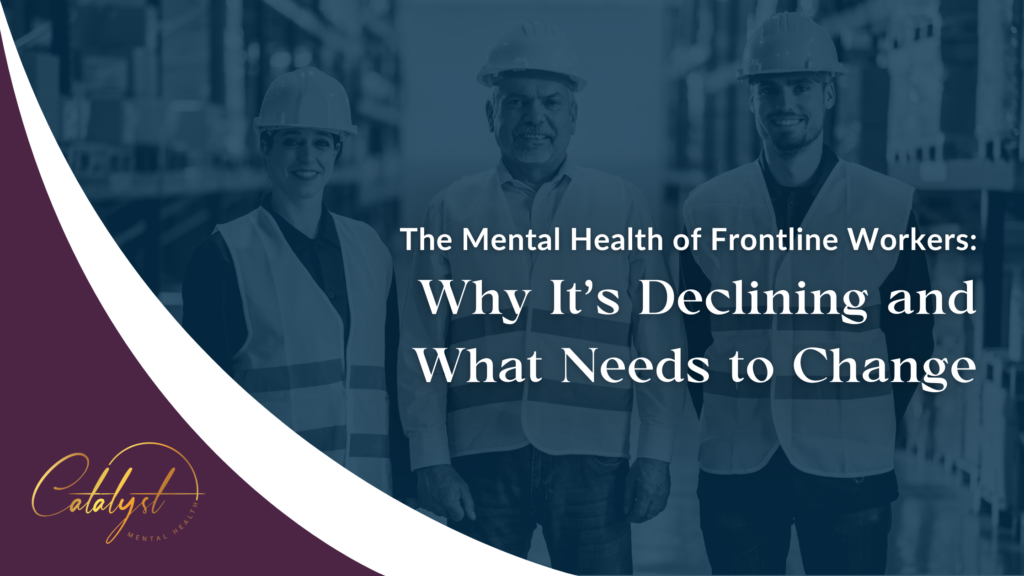
Three frontline employees stand together in a warehouse, wearing safety vests and hats, representing the importance of supporting frontline workers.

The Mental Health of Frontline Workers: Why It’s Declining and What Needs to Change

Frontline workers are essential to the businesses and organizations they work for. They’re the direct link between their employers and the general public, making them an integral part of keeping customers satisfied, maintaining a positive image, and achieving operational efficiency. Without them, it becomes nearly impossible to keep everything running smoothly. But are they receiving

The Mental Health of Frontline Workers: Why It’s Declining and What Needs to Change Read More »

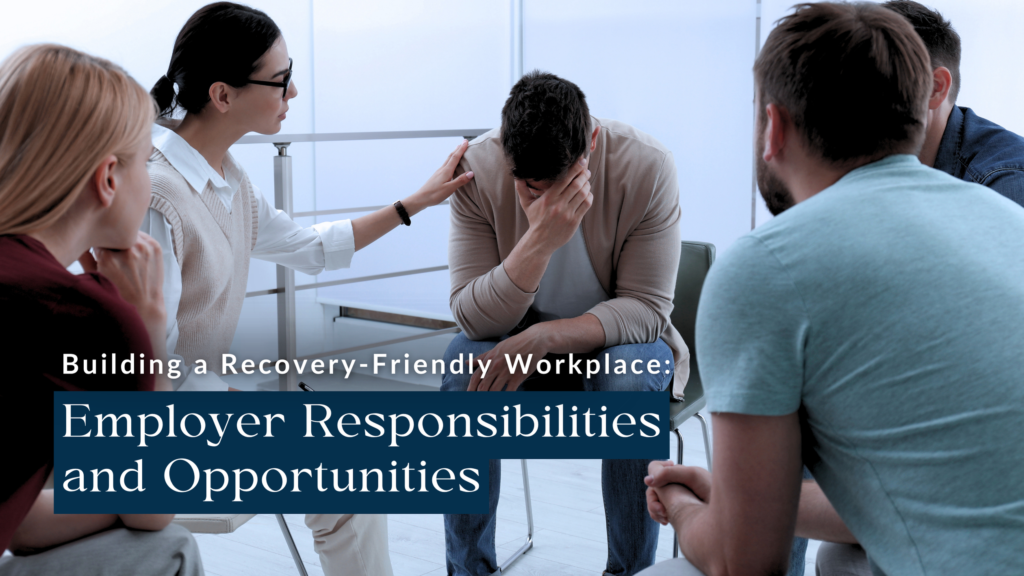
A group of coworkers sit in a circle and console a distressed team member, representing workplace supported recovery.

Building a Recovery Friendly Workplace: Employer Responsibilities and Opportunities

There’s a common misconception that supporting recovery-friendly workplaces means endorsing substance use. Not only is this categorically false, but it’s a harmful mistaken belief that eventually becomes a barrier— preventing employees from accessing the support they need to overcome their addiction(s).  Supporting employees in recovery isn’t about condoning addictive behaviors. It’s about recognizing that addiction

Building a Recovery Friendly Workplace: Employer Responsibilities and Opportunities Read More »

A group of diverse corporate employees stand together, including baby boomers, millennials, gen X, and gen Z.

A Guide to Generational Gaps in Mental Health

Employers face many challenges when it comes to mental health in the workplace. From demanding workloads, to cost-benefit analysis, or limited human resources—there are always hurdles to overcome in the pursuit of corporate wellbeing.  But one challenge in particular has quickly become a hot topic: Generational gaps in mental health and the need for inclusive,

A Guide to Generational Gaps in Mental Health Read More »

Catalyst Mental Health founder Jenan Nasserdeen stands in an office after hosting a corporate mental health training session.

Why Corporations Choose Our Mental Health Training

The last thing any corporate leadership team wants to do is invest in workplace mental health training only to eventually realize the experience being provided falls short of expectations. The investment has to be worthwhile.  It’s this potential for less-than-ideal results that stops decision makers from prioritizing corporate wellness initiatives. The question is always lingering—

Why Corporations Choose Our Mental Health Training Read More »

Scroll to Top