
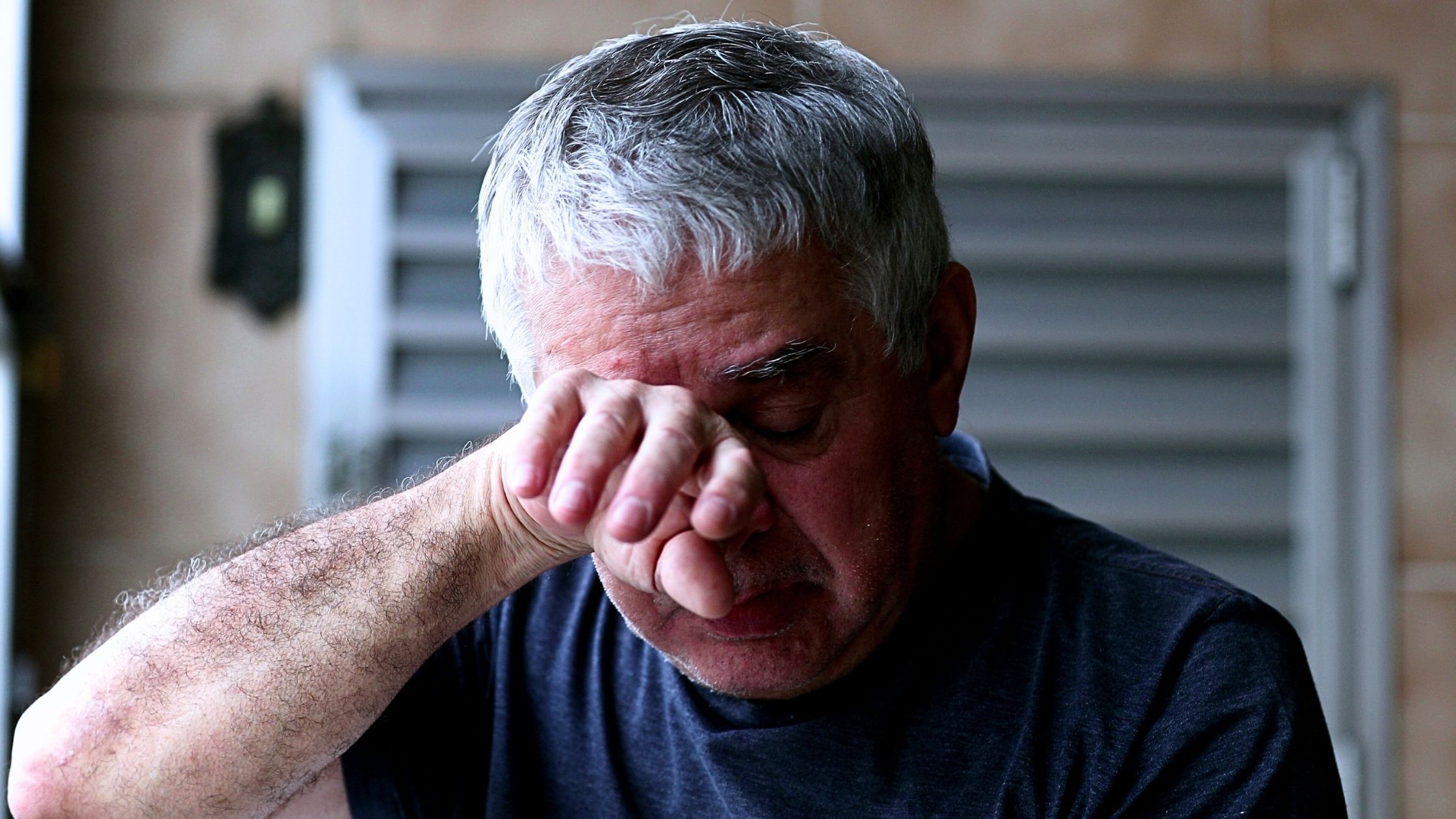
The weeks and months after losing a family member or loved one can feel overwhelmingly painful. Simple daily tasks that were part of your routine before suddenly become exhausting or insurmountable. Tiny reminders, like a scent or a song playing on the radio, bring tears to your eyes. You find yourself forcing a smile while talking to people. All of which are a normal part of the healing process.
In most cases, these aspects of bereavement become more manageable over time. You learn to calm your mind and channel your emotions in healthier ways, until the pain becomes more bearable, bit by bit.
But what if grief doesn’t go away? What if, a year later, the sadness is still there, and each day feels heavier than the one before? Is this just a normal part of grieving—or something more?
Difficult moving on after a loss doesn’t automatically mean something is wrong. But if, months or even years later, you still feel deeply stuck, sad, or unable to cope, it could be a sign of prolonged grief disorder.
Knowing what this disorder is and how it can impact your life is the first step to processing the pain and reclaiming your sense of hope and purpose again. Keep reading for a full guide on prolonged grief, including symptoms and coping strategies.
What is Prolonged Grief Disorder?
It’s when the emotional pain of a loss doesn’t ease over time, and the symptoms of grief continue to interfere with a person’s mental health, relationships, and everyday life.
How Long Does Prolonged Grief Disorder Last?
Prolonged can last from 6 months up to 5 years or more if left untreated.
How to Recognize Prolonged Grief
Concerned that you—or someone close to you—might be experiencing extended mourning? These are the symptoms of prolonged grief disorder to look for:
- Social withdrawal. Avoiding friends and family, skipping social events, and isolating oneself from everyday interactions.
- Frequent sleep disturbances. Difficulty falling or staying asleep, restless nights, or waking up repeatedly.
- Emotional numbness or detachment. An inability to feel joy, sadness, or excitement to their fullest extent. Dulled reactions to events that would typically illicit a stronger response.
- Intrusive memories or flashbacks. Unwanted thoughts or images of the deceased person repeatedly entering the mind.
- Excessive distraction to avoid feelings. Engaging in unhealthy behaviors, like drinking, overworking, or compulsive screen time as a means of suppressing difficult emotions.
- Persistent disbelief or denial. Making major life decisions as if the loss never happened, speaking as if the person is still alive, refusing to settle affairs related to the death.
- Ongoing guilt or self-blame. Dwelling on ‘what if’ thoughts, blaming oneself for small mistakes or things that couldn’t be controlled, or feeling unworthy of help and happiness.
5 Tips for Coping With Prolonged Grief
We’re all impacted by death differently. Whether you’ve lost someone under deeply distressing circumstances, like a sudden tragedy, or you’re dealing with heartbreak caused by the loss of a spouse or the death of a child, grief is valid in all its forms.
While it’s always best to consult a therapist or healthcare professional to develop a plan for managing complicated grief, there are a few practical tips you can follow to reduce feelings of sorrow or despair, including:
1. Create a Daily Routine
Routines bring a sense of predictability and consistency to each day that many people find comforting, especially after experiencing a loss. Even simple practices like stretching in the morning, tending to a small garden, or taking a bath before bed can have a profound impact on the healing process.
2. Prioritize Self-Compassion
It’s easy to slip into negative thinking after losing someone you care about. There can be a tendency to criticize yourself or feel guilty about slow progress. For this reason, practicing self-compassion is extremely important.
You can show yourself compassion by:
- Giving yourself permission to rest
- Limiting exposure to stressful news or social media
- Forgiving yourself for mistakes or perceived shortcomings
- Reflecting on small accomplishments at the end of each day
- Reframing negative thoughts into kinder, more realistic ones
3. Join a Grief Support Group
Support groups offer a safe, structured environment where grief doesn’t have to be faced alone. Hearing other people share their experiences with loss can help normalize what you’re going through and provide a much-needed sense of connectedness. Plus, these groups often provide guidance and support on navigating the grief journey.
4. Be Selfish With Your Grief (When You Need To)
After a loss, friends and family members may pressure you to talk, socialize, or be productive, believing it’s what’s best for your well-being—but you have the right to decide when you share your grief and what that process looks like.
It isn’t wrong or self-centered to navigate parts of your grief in private or in ways that other people may not necessarily understand. At times, being selfish with your grief can actually help you overcome the intense feelings of chronic grief.
Great examples of being selfish with grief include:
- Saying no to social events or commitments that only cause more stress or leave you feeling overwhelmed
- Crying, mourning, or expressing sadness without minimizing it to comfort others
- Respectfully declining advice that doesn’t feel helpful
- Planning solo activities that you know you’ll enjoy
- Politely saying no to extra responsibilities at work that would add stress to your plate
5. Let People See Your Cracks
Allow yourself to feel and express your emotions without worrying about judgment. Whether it’s crying in public, changing the subject to protect yourself, or admitting anger or resentment, it’s okay to show the messy, unpredictable side of grief. Expressing these feelings is an important part of processing them and getting the support you need.
In most cases, friends and loved ones appreciate this honesty, because it gives them the chance to respond with compassion and truly be there for you.
 Get Mental Health Tips, Tools, and Updates Delivered to Your Inbox Monthly
Subscribe to our e-newsletter and be part of meaningful mental health discussions—because every conversation helps break stigma and inspire change.
Want to Establish a Happier, Healthier, More Resilient Workplace?
Invest in mental health training to help your team better navigate hardships like grief, divorce, illness, career transitions, and burnout.