
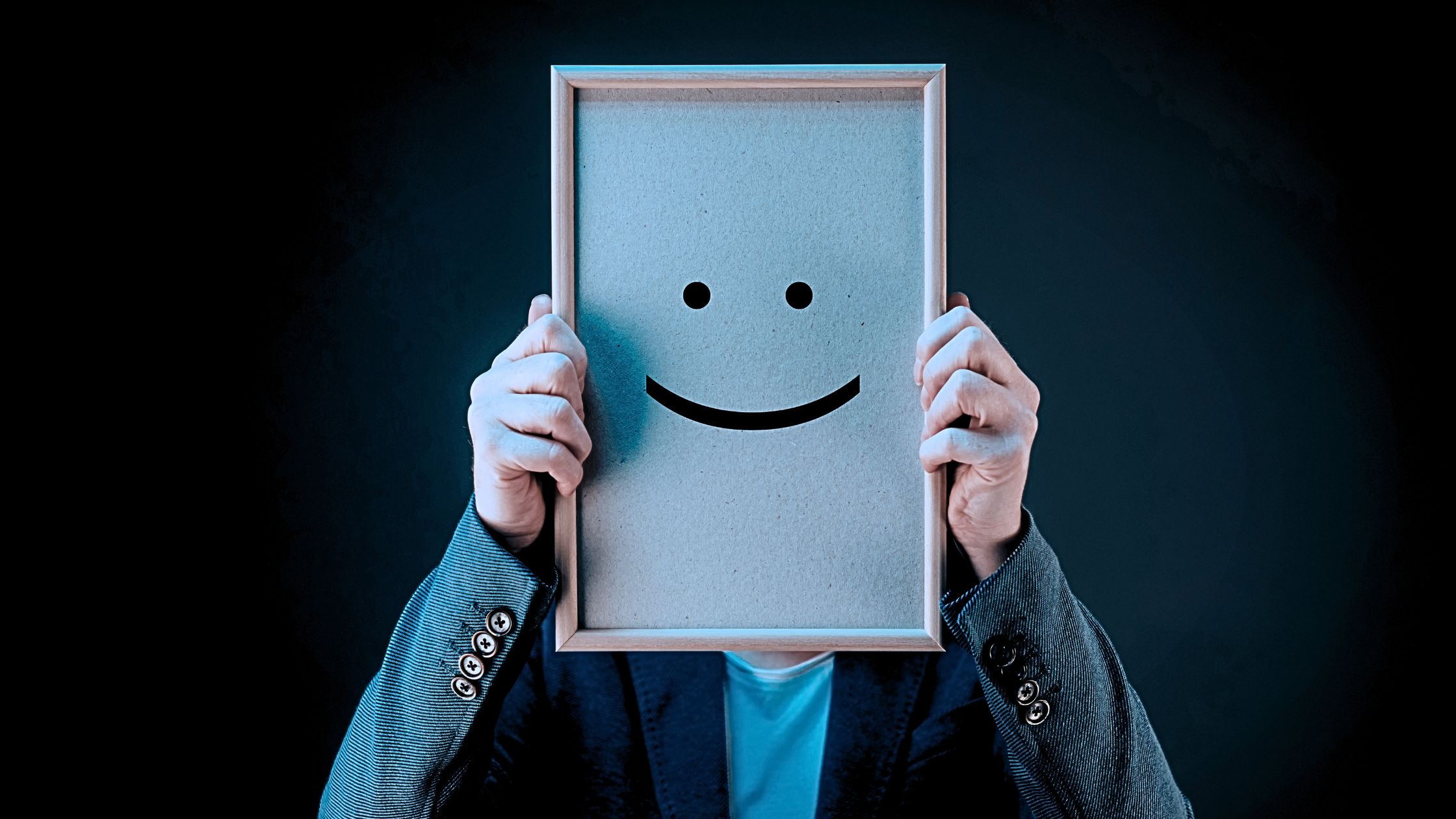
Every day, critical mental health concerns are overlooked as a result of confusion about what distress looks like. Whether at work or in our personal lives, many of us haven’t been taught how conditions like anxiety, depression, or post-traumatic stress disorder (PTSD) can show up physically or behaviorally during a crisis—leaving us to guess or respond with very little information.
But the challenges don’t stop there. Many high-functioning people with mental illness don’t display symptoms the way we might expect. They’re able to “mask” their true emotions and put on a brave face, often presenting in a way that seems normal or even upbeat.
That’s why it’s important to learn the subtle signs someone is struggling. With the right training, we can start to notice signs we might otherwise miss.
Keep reading to better understand masking, its consequences, and the signs a person could be in crisis.
What is Mental Health Masking?
Mental health masking happens when someone hides or minimizes what they’re really going through. Even if they’re struggling with anxiety, depression, ADHD, addiction, or PTSD, they may act as though everything is fine.
People often mask their symptoms to avoid judgment, fit in socially, or meet expectations at work or in relationships. While it can feel protective in the moment, it usually means carrying those challenges alone behind the scenes.
Who is Most Likely to Mask Poor Mental Health?
There are certain groups of people who are more prone to engaging in masking behaviors. These groups include:
1. High Achievers and Perfectionists
People who set unrealistically high expectations for themselves, or who associate their self-worth with how well they “perform” in life or at work, tend to view poor mental health as a sign of weakness or as a hindrance, and may mask their struggles in an effort to keep up their “flawless” image. There is a false belief that even a single setback, shortcoming, or “failure” would diminish their achievements or make them “incapable” in the eyes of others.
2. Leaders and Caregivers
Both leaders and caregivers habitually put the needs of others ahead of their own. This makes them more likely to prioritize “maintaining composure”, by any means necessary, so they can continue showing up as a dependable, competent resource to others. They fear losing the respect and trust others have in them, and will typically see their duties as the top priority over anything else.
3. Men
Men are accustomed to fighting silent battles. From a young age, they are taught to stifle their emotions and to press on despite exhaustion or setbacks. Over time, this suppression becomes second nature, which is why many men don’t recognize poor mental health until it reaches a breaking point. They are disconnected from their emotions and find it easier to project a fake sense of strength.

7 Masking Behaviors to Be Aware Of
- Intellectualizing or analyzing feelings instead of expressing them. The person may focus more on why they’re experiencing psychological distress to avoid confronting how they feel or allowing themselves to fully process their emotions. They may say things like, “Of course I feel sad about this, anyone would be in the same situation,” or “I feel disappointed, but that’s just my expectations not matching reality”.
- Agreeing with others to avoid conflict. Frequent people-pleasing is a way to keep others happy, distract from deeper emotions, and avoid discomfort. Those in mental distress may do this in excess, even if it means compromising their own beliefs or opinions.
- Using humor or sarcasm to deflect from painful experiences. When traumatic or difficult memories are brought up in conversation, a person masking poor mental health may make light of what they’ve been through or make flippant remarks that don’t make the seriousness of the topic at hand.
- Appearing social online while withdrawing offline. Posting images that reflect a “perfect”, exciting, or busy lifestyle can be a sign of masking if the person actually isolates themselves or avoids social situations in real life. It’s often a means of presenting a happy facade to keep others from looking beyond the surface.
- Using accomplishments as proof that “everything is fine.” Refusing to acknowledge when life feels unmanageable, and deflecting with examples of success, is another sign of mental health masking. It’s especially common among high-functioning individuals with internalized stigma who believe needing help is a sign of weakness.
- Over-reliance on distractions. Whether it’s scrolling social media for hours at a time, using alcohol to numb negative feelings, or gambling, people who are masking often rely on external distractions to take their mind away from daily struggles.
- Nervous fidgeting. Nail biting, tapping, pacing back and forth, jaw clenching, or frequently pulling at clothes are all examples of how masked anxiety can manifest physically. These behaviors often indicate a person is coping with hidden anxiety or depression.
What Happens When Mental Health Masking No Longer Works?
Unfortunately, masking is not a sustainable solution when it comes to managing mental health. It may hide symptoms from others temporarily, but internally negative emotions continue to escalate, putting the person at risk for a mental health crisis (suicidal ideation, self-harm, threats towards others, emotional breakdown, etc).
How to Recognize Mental Distress in Others
Knowing the subtle signs someone is struggling is the best defense against masking. Even when a person is actively trying to disguise declining mental health, there are often clues that indicate a problem if you know what to look for.
These subtle signs include:
1. Poor Personal Hygiene
Several mental health conditions can make basic hygiene routines like showing, brushing your teeth, or doing laundry feel nearly impossible to maintain. Depression, for example, causes profound physical and mental exhaustion. Someone living with depression may find it difficult to simply get out of bed or prepare food, feeling completely drained and as if “nothing matters anyway”.
Conditions like Generalized Anxiety Disorder can also impact personal hygiene. People with this diagnosis typically suffer from racing thoughts or worry loops, going through constant “what if” scenarios in their mind that make it difficult to focus on anything else—including grooming, self-care, etc.
2. Social Withdrawal
Being around other people while trying to mask mental health struggles can be quite draining. The person has to monitor their facial expressions and tone of voice, suppress tears or signs of irritability, and engage in conversations that require more energy or positivity than they’re able to muster.
For this reason, many individuals isolate themselves by avoiding meaningful connections or social interactions. Repeatedly declining invitations to family gatherings, canceling plans last minute, slowly fading away from friendships, or reading text messages but not responding for days are all signs of undetected mental illness
3. Exaggerated Responses to Minor Problems
Someone who is suppressing their mental health struggles isn’t actually processing the negative emotions they’re experiencing. These emotions start to accumulate internally, lessening their tolerance level over time. Eventually, even minor inconveniences can trigger an explosive reaction because the person is already at their mental and emotional capacity.
Exaggerated responses may include snapping at others, interpreting a light joke as an insult, believing a small mistake will result in being fired from their job, etc.
Signs You May Be in Mental Distress
Masking doesn’t just make it difficult to detect mental distress in others, it can also prevent us from noticing our own decline in mental health. Many people are so accustomed to “pushing through” negative emotions or suppressing how they feel, that mental health issues are overlooked until they reach a crisis point.
Here are a few signs of psychological distress that indicate extra support is needed:
1. Increased Self-Criticism or Feelings of Worthlessness
If you are in denial about declining mental health, your mind may try to convince itself that everything is “fine,” even when it isn’t. You may catch yourself thinking, “I shouldn’t feel like this” or “I’m weak for struggling,” which piles judgment on top of stress. Each negative feeling becomes evidence that you’re failing, feeding a cycle of self-criticism and worthlessness, and if left unchecked, this buildup can push you toward a mental health crisis.
2. Persistent Fatigue
Our bodies often tell us something is wrong before our minds fully process what is happening. Stress, anxiety, and depression put your nervous system on high alert, burning energy even when you don’t consciously acknowledge the strain. This depletion of energy can even cause headaches, sleep disruption, and general physical weariness. If you’ve noticed these symptoms, it’s likely a sign something is seriously off.
3. Neglecting Basic Self-Care
Ignoring or minimizing distress creates a mental environment where everything feels urgent except personal needs, so tasks like relaxation, hobbies, or enjoyable activities get deprioritized. You may feel guilty for taking short periods of rest or find yourself canceling personal plans you were looking forward to because a family member wants to vent or share their worries. These behaviors reinforce the mistaken belief that you aren’t important, which only intensifies feelings of low self-esteem, stress, and hopelessness.
Next Steps to Take
Now that you know many of the hard-to-spot mental health symptoms to look for in someone who is masking their struggles, there are three important next steps to take:
- Pay attention and don’t dismiss the signs. Notice subtle changes in behavior, mood, or energy, and take them seriously instead of brushing them off.
- Let others know you care. Check in with coworkers, colleagues, family members, and friends from time to time. Ask about their day. Even if they don’t want to talk right away, just knowing you’re there to listen can make a major difference.
- Invest in mental health training. Learn more about mental health and how to respond effectively by taking courses like Mental Health First Aid. Training equips you to recognize struggles, reduce stigma, and how to prevent a crisis from escalating.